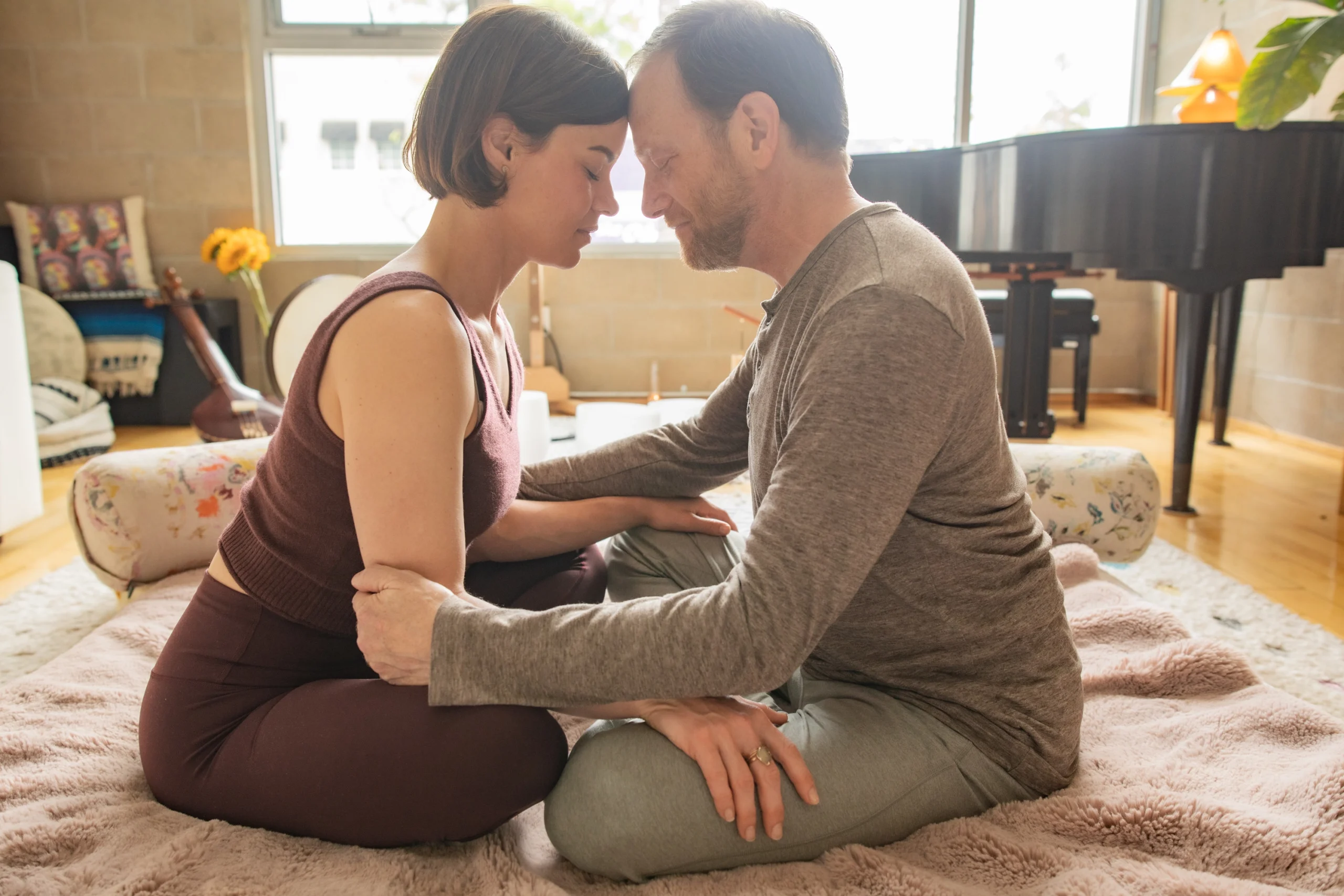
A few slow breaths before the first bite
Pausing for even three slow breaths before eating signals the nervous system to shift out of a rushed, activated state.
Mindful eating is the practice of bringing full, present-moment attention to a meal: the food itself, the body's own hunger and fullness cues, and whatever emotion happens to be at the table. It is not a diet and it does not prescribe what to eat. At Word of Mouth in West Hollywood, we teach it as one piece of a whole-self approach that also includes breathwork and nervous-system-aware coaching. Here is an honest, practical guide to what mindful eating actually is and how to begin.
A wellness practice · Whole-self approach · West Hollywood studio
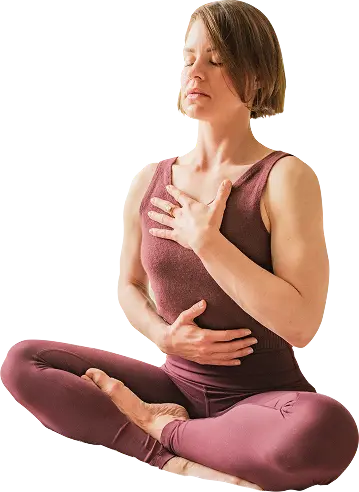
Mindful eating means paying full attention to the experience of eating, the colors, textures, smells, and flavors of the food, and the body's own signals of hunger and fullness, rather than eating on autopilot. It draws on the broader practice of mindfulness: noticing the present moment without judgment. Applied to food, that means noticing when you are actually hungry, noticing when you are comfortably full, and noticing what else, stress, boredom, habit, might be at the table alongside the meal itself.
Mindful eating is a wellness practice, not a diet plan and not a medical or nutrition treatment. It does not tell you which foods to eat or avoid, and it is not a substitute for guidance from a licensed physician or registered dietitian if you have a specific medical or nutritional concern. What it offers is a way of relating to food and to your own body with more presence and less judgment, which many people find genuinely restorative on its own.
Mindful eating is less a single technique than a handful of small habits, practiced consistently. These are the ones we point people toward most often.
Pausing for even three slow breaths before eating signals the nervous system to shift out of a rushed, activated state.
Checking in partway through a meal on an honest, judgment-free scale of hunger to fullness, rather than eating until the plate is empty by default.
Actually looking at the food, noticing its smell and texture, and slowing the pace enough to taste it fully, rather than eating while distracted.
Noticing, without judgment, whether stress, boredom, or emotion is driving the urge to eat, separate from actual physical hunger.
Removing the phone, television, or laptop for even one meal a day so attention has somewhere to land besides the food itself.
A short pause before reaching for more gives the body time to register whether it is still hungry or simply enjoying the food.
Do not try to eat every meal mindfully at first. Choose one meal, often breakfast or a meal eaten alone, as your practice ground.
Before the first bite, breathe slowly for a few rounds. This alone tends to shift the body out of rush mode and into a more settled state.
A small physical pause between bites naturally slows the pace and creates room to notice flavor and fullness.
Partway through the meal, pause and ask honestly how hungry you still are. There is no right answer, only more information.
Mindful eating is a practice, not a performance. Missing a day or eating on autopilot some meals does not undo the practice; you simply return to it next time.
Digestion and a rushed, stressed state do not pair well together. When the nervous system is activated, in the middle of a stressful afternoon or eating while distracted, the body is oriented toward alertness, not toward settling in for a meal. A few slow breaths before eating is a genuine, well-established way to help the nervous system shift toward a calmer, more receptive state, which is part of why mindful eating so often begins with the breath rather than with the food.
This is also why Word of Mouth teaches mindful eating alongside breathwork rather than as a stand-alone technique. The same nervous-system regulation that supports better sleep or less carried tension also supports a calmer, more present relationship with food. Explore breathwork to learn the practice behind that shift.
Explore breathwork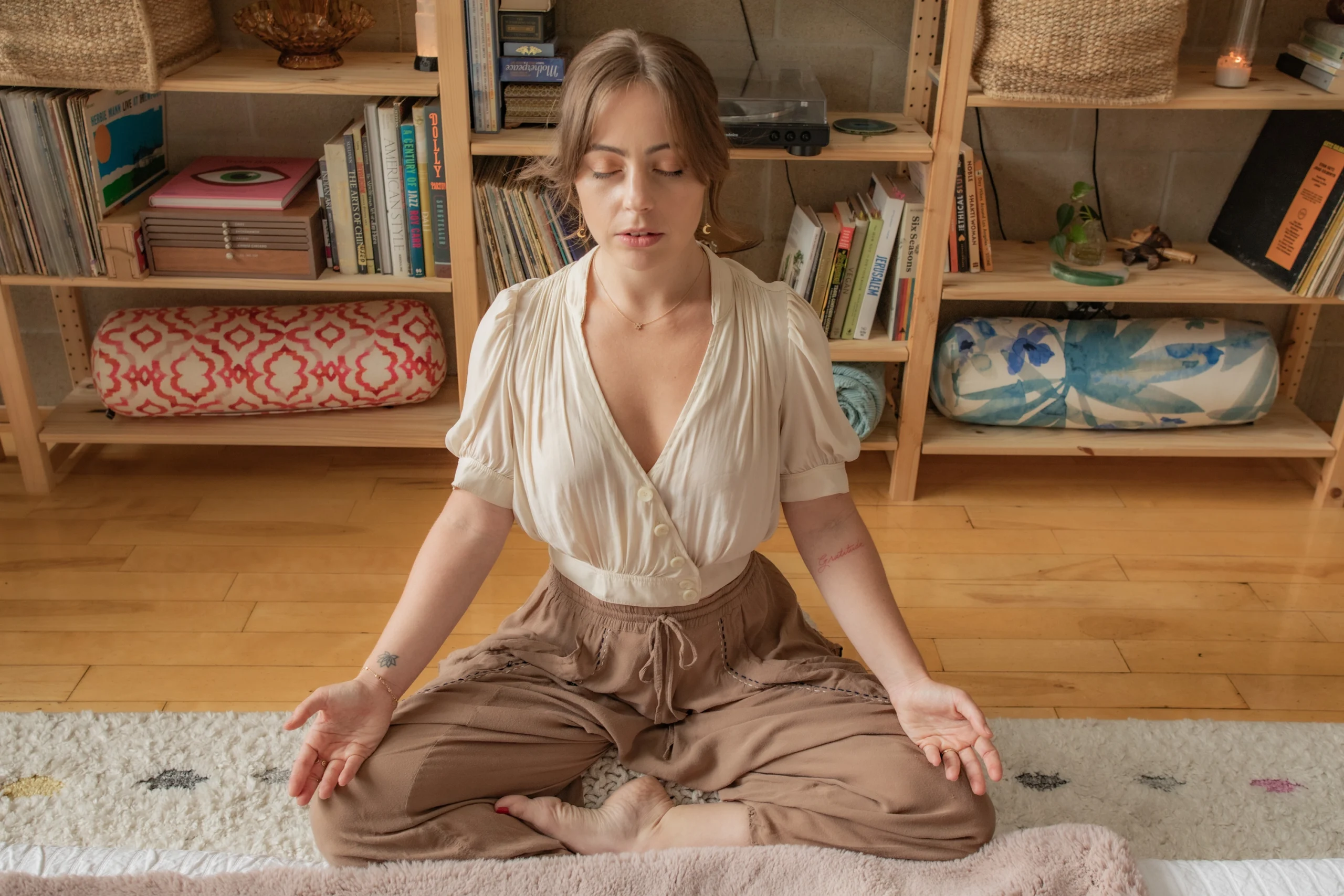
Mindful eating gets mixed up with dieting language often enough that it is worth being precise about the boundaries.
Mindful eating does not prescribe calories, macros, or foods to cut out. It is a way of paying attention, not a meal plan.
We are not a medical practice and do not provide nutrition prescriptions. If you have a diagnosed condition or specific nutritional need, please work with a licensed physician or registered dietitian.
There is no streak to keep. A distracted, rushed meal does not erase the practice; it is simply one meal among many.
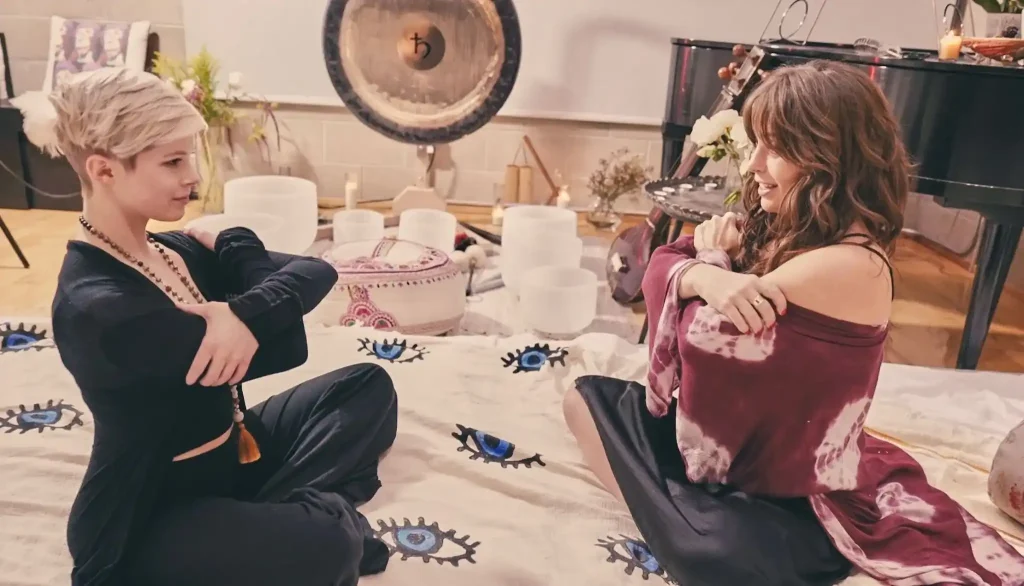
Word of Mouth's co-founder Jaime Elkayam brings a movement and nutrition background into a practice built around treating the mind, body, and spirit as one system rather than a set of separate parts to manage individually. Mindful eating is a natural extension of that same idea: the body's signals around food are not separate from its signals around stress, sleep, or emotion. They are part of the same nervous system.
One client described the broader approach this way after working with the practice: "By combining a mix of breath, body, mind and energy work all under one roof, in a single session, I'm able to take care of myself as a whole being rather than doing maintenance on each of the parts individually." That is the same spirit we bring to mindful eating: one more place where presence and self-awareness support the whole self, not a fragmented fix.
Common questions about what mindful eating can and cannot do.
Mindful eating is one small door into a bigger practice of presence. If you want support building it into daily life, breathwork and whole-self coaching at our West Hollywood studio can help.
How a whole-self view of nourishment fits alongside mindful eating and daily wellness.
Holistic nutrition →Conscious breathing practices for nervous-system regulation, the same regulation behind mindful eating.
Breathwork →Whole-self coaching integrating breath, body, energy, and conversation in one weekly container.
Holistic coaching →Private Melrose studio in West Hollywood. Book online in about two minutes.
Book now →