
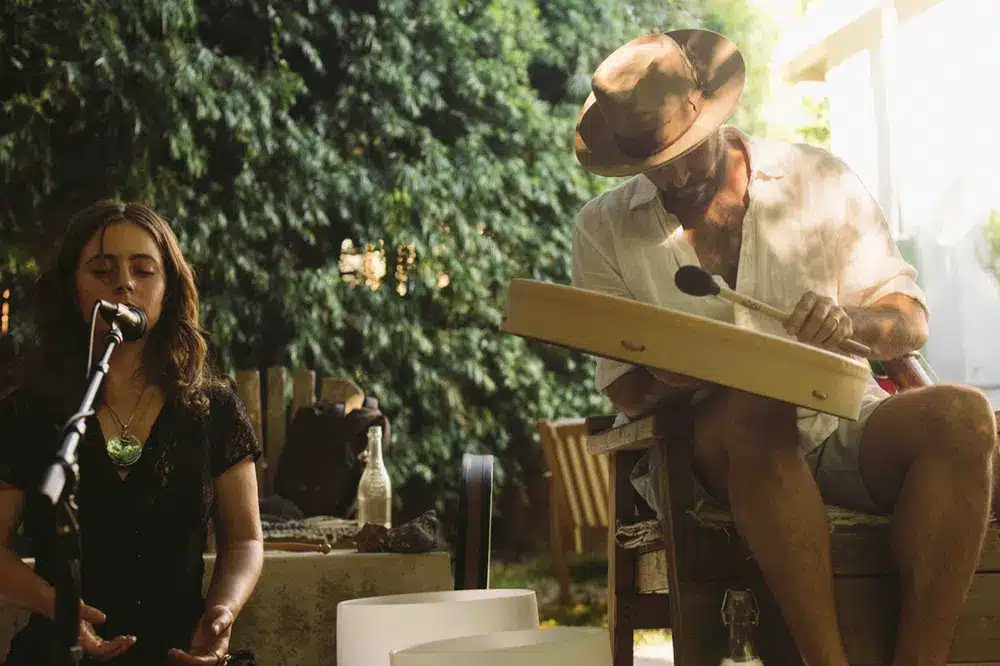
Reiki Energy Healing
The full picture of how reiki works, what a session includes, and what it costs.
Reiki energy healing →If low mood, emotional heaviness, or a stuck, uninspired feeling has settled in and nothing has reached where it actually lives, reiki at our West Hollywood studio may offer a body-centered complement to the care you're already receiving. Certified Reiki Master Teachers Jaime and Yonatan Elkayam work with nervous-system depletion, burnout, and emotional heaviness through reiki, breathwork, and chakra balancing in a private Melrose studio. Reiki is a complement to therapy and medication, never a replacement for either. If you are in crisis, please call or text 988 (Suicide and Crisis Lifeline) or contact your provider.
Complementary care, not a replacement for therapy or medication · Private Melrose studio
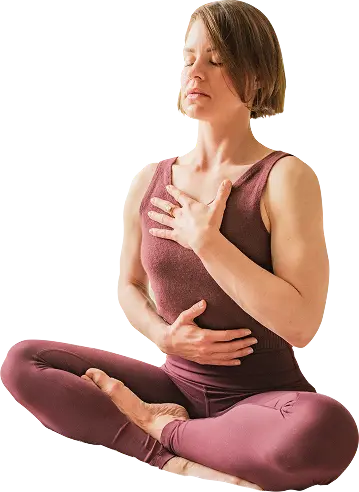
Reiki is a complementary practice, not a treatment for depression. It does not diagnose, cure, or replace clinical care. What it may offer is support for the body's relaxation response and a gentle, non-judgmental space for nervous-system regulation alongside the therapy and medication you are already using.
Some early research suggests reiki may support relaxation and lower self-reported stress in people experiencing depressive symptoms. A 2022 systematic review in Frontiers in Psychology found preliminary evidence linking reiki to reduced anxiety and stress, and a smaller 2013 study noted improved mood scores in a subset of participants. The research is early-stage, not definitive, and reiki is never positioned here as a substitute for psychotherapy or medication.
Reiki is not a substitute for psychotherapy, psychiatric medication, or medical evaluation. If you are in crisis, call or text 988 (Suicide and Crisis Lifeline) now, and please continue all clinical treatment as directed by your provider.
Depression often shows up in the body as much as the mind: flattened energy, disrupted sleep, a nervous system stuck in shutdown. Reiki works at that body level, alongside the clinical work you are already doing.
Clients describe warmth, a slow deepening of breath, and a lightness that settles in as the body shifts out of a flat, shut-down state.
Your practitioner listens to what you're carrying without turning it into a diagnosis or a performance. Many clients say they leave feeling lighter and more grounded.
A brief breathwork practice at the start helps the nervous system soften before the reiki work begins, especially useful when depression has made the body feel numb or far away.
Reiki works alongside your therapist and psychiatrist. It is not a substitute for psychotherapy or medication, and we will never suggest otherwise.
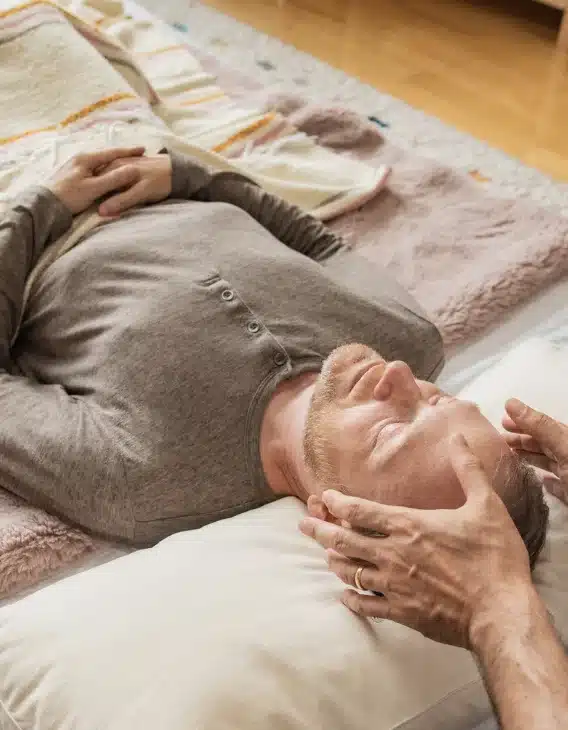
Private Melrose loft, warm light, nothing clinical about it. You stay fully clothed on the treatment table, at your own pace.
Your practitioner asks what you're carrying and what you're hoping for from the session. There's no pressure to explain or perform.
60 to 75 minutes of hands-on or hands-off reiki, often opened with brief breathwork to help your nervous system soften first.
No jarring ending. Many clients fall asleep; others feel warmth or notice a shift hours later. Both are normal.
Reiki works best as one part of a broader care plan, alongside your therapist or psychiatrist, not instead of them.
I always leave lighter and inspired.
As a licensed clinical mental health therapist as well as a reiki practitioner for over two decades, my experience with Word of Mouth was profoundly nurturing as well as professional and poignant. I walked away both feeling wiser and calmer while also more present and uplifted.
Honest answers about therapy, medication, crisis care, and what a session can and cannot do.
Reiki for depression sessions run 60 to 75 minutes in our private Melrose studio, always alongside the therapy and medication you're already using, never instead of them.
The full picture of how reiki works, what a session includes, and what it costs.
Reiki energy healing →Support for racing thoughts, shallow breath, and the wired-but-exhausted feeling anxiety brings.
Reiki for anxiety →A held space for grief, heaviness, or feelings that need somewhere honest to go.
Reiki for emotional release →Conscious breathing for nervous-system regulation, often layered into a session.
Breathwork →