Stress relief & deep relaxation
Reiki supports the relaxation response, easing the tension that lives in the body long after a stressful day has passed. Most clients describe feeling noticeably lighter afterward.
Reiki for stress →Relaxation, stress relief, better sleep, emotional release, and a nervous system that finally settles. Those are the benefits clients most often report from reiki. This is an honest look at what reiki energy healing supports, who tends to feel it most, and what the research does and does not say. Our sessions run with Certified Reiki Master Teachers in a private Melrose studio in Los Angeles.
60 to 75 minutes · Private Melrose studio · Certified Reiki Master Teachers
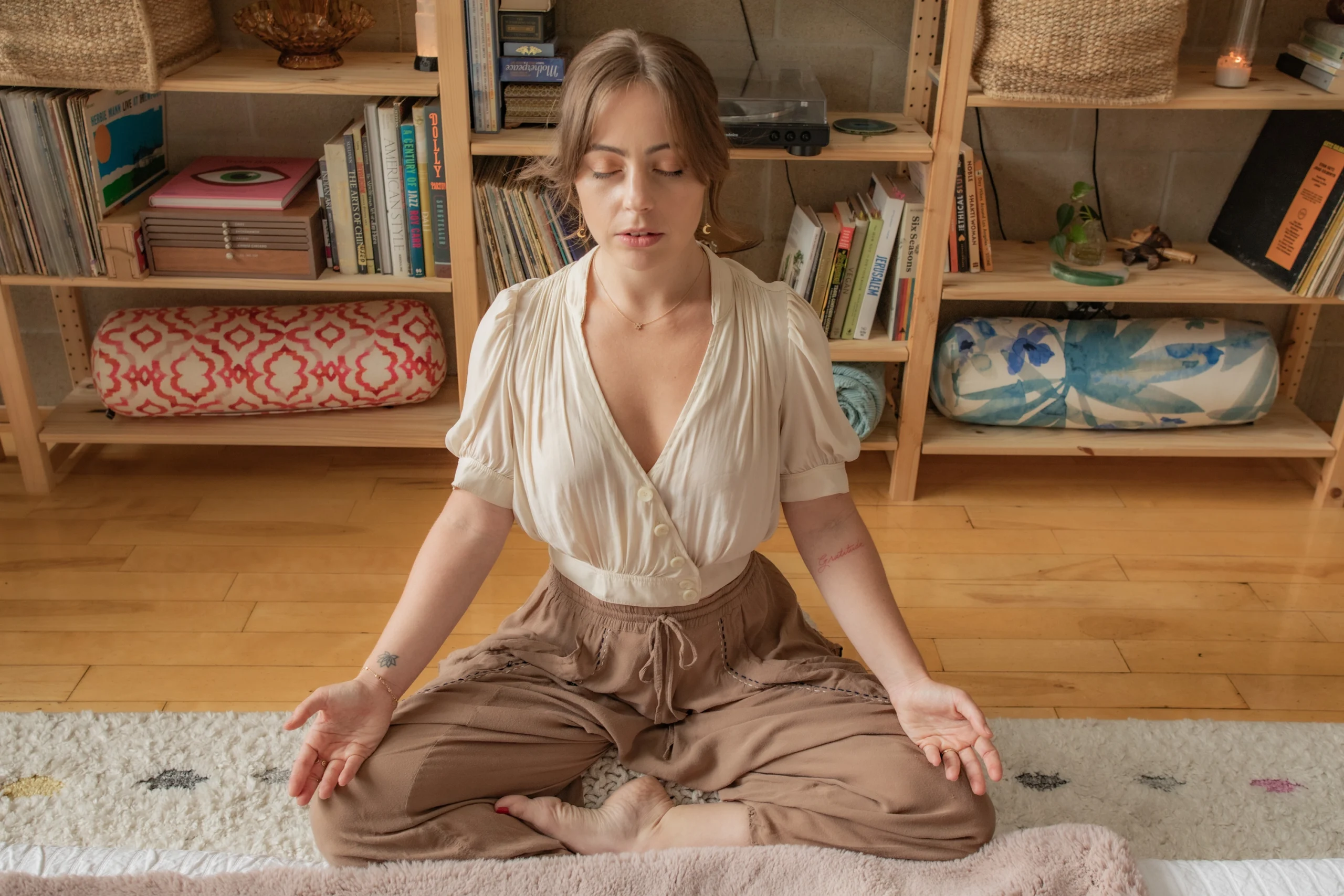
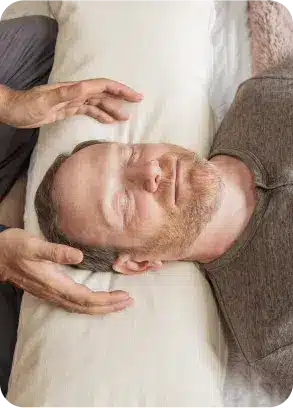
Reiki is a Japanese energy healing practice where a practitioner places their hands lightly on or above the body to help it relax and release tension. It is complementary, not medical. It does not diagnose, treat, or cure any condition, and it works alongside your medical and mental-health care, never in place of it.
Within that honest frame, the benefits clients report are consistent. Reiki supports the shift out of fight-or-flight and into rest. When the nervous system down-shifts, the knock-on effects tend to follow: stress eases, sleep deepens, anxious loops quiet, held emotion has room to move, and energy returns. Below is what that looks like, benefit by benefit.
Each of these reflects what clients commonly experience, not a guaranteed medical outcome. Follow any link to see how reiki supports that specific concern.
Reiki supports the relaxation response, easing the tension that lives in the body long after a stressful day has passed. Most clients describe feeling noticeably lighter afterward.
Reiki for stress →When the nervous system quiets, sleep tends to follow. Clients often report falling asleep faster and waking less anxious after regular sessions.
Reiki for sleep →Racing thoughts, shallow breath, and the wired-but-tired feeling are nervous-system patterns. Reiki supports a calmer baseline that clients say makes those loops easier to settle.
Reiki for anxiety →Grief, stuck feelings, or numbness after a hard season can sit in the body. In the safety of a session, clients often feel held emotion begin to move and soften.
Reiki for emotional release →Running on empty from months of giving to work, family, or others is common. Many clients describe leaving a session feeling replenished rather than depleted.
Reiki for energy →With the mental noise turned down, clients frequently report clearer thinking and a stronger sense of connection to themselves, which makes decisions easier to make.
Reiki supports clients moving through stress, tension, and emotional overwhelm as a complement to medical or mental-health care. It is not a substitute for professional treatment.
Reiki is safe and gentle for most people. It tends to land especially well for those carrying a lot in the nervous system.
People running hot for months, with a body that has forgotten how to fully stand down. Reiki gives the nervous system a reason to reset.
Reiki for burnout →The pressure, the auditions, the constant output. Reiki supports the ease and openness that creative work needs to keep flowing.
Reiki for creatives →Those who hold space for everyone else and rarely receive it back. Reiki refills the reserves you spend giving to others.
Reiki for therapists →Grief, a big transition, or a loss that is hard to name. Reiki offers a quiet, supportive container while feelings have room to move.
Reiki for grief →Tired but wired, mind looping at 2am, sleep just out of reach. Reiki supports the shift into the rest your body has been missing.
Reiki for sleep →Those drawn to a deeper sense of connection and presence, whether or not they can explain why. Reiki meets you wherever you are.
Reiki for spiritual growth →Reiki does not add or fix anything from the outside. It supports the conditions where your own nervous system can settle. That down-shift out of fight-or-flight is what most of the benefits trace back to.
The clearest, most repeatable effect is deep relaxation. Breathing slows, muscles let go, and the body moves toward rest.
As stress signaling quiets, sleep, mood, and energy tend to improve as secondary effects rather than the target itself.
In a safe, unhurried session, feelings clients have been holding often have space to surface and soften.
Research on reiki is still early, and studies vary in quality. The strongest and most consistent signal is around relaxation, stress, and anxiety. Reiki is generally considered safe, and it is now offered as a complementary therapy in a growing number of U.S. hospitals and cancer-support programs, usually to help patients relax and cope with the stress of treatment.
What we will not do is claim reiki cures disease, because it does not. Structural injuries and acute conditions need medical care first. Where reiki earns its place is the felt experience our clients describe again and again: calmer, lighter, more rested, more themselves. Whether you call that energy work, the relaxation response, or both, the effect is real and worth having. Curious how a session actually unfolds? See reiki energy healing in Los Angeles.
Honest answers about what reiki supports, what it does not, and how the benefits tend to show up.
Sessions run 60 to 75 minutes in our private Melrose studio, with Certified Reiki Master Teachers in the traditional Usui lineage. New client bookings take about two minutes online.
Hands-on and hands-off reiki with Certified Reiki Master Teachers in a private Melrose loft.
Reiki healing →A plain-language look at what reiki is, what happens in the body, and why clients feel calmer.
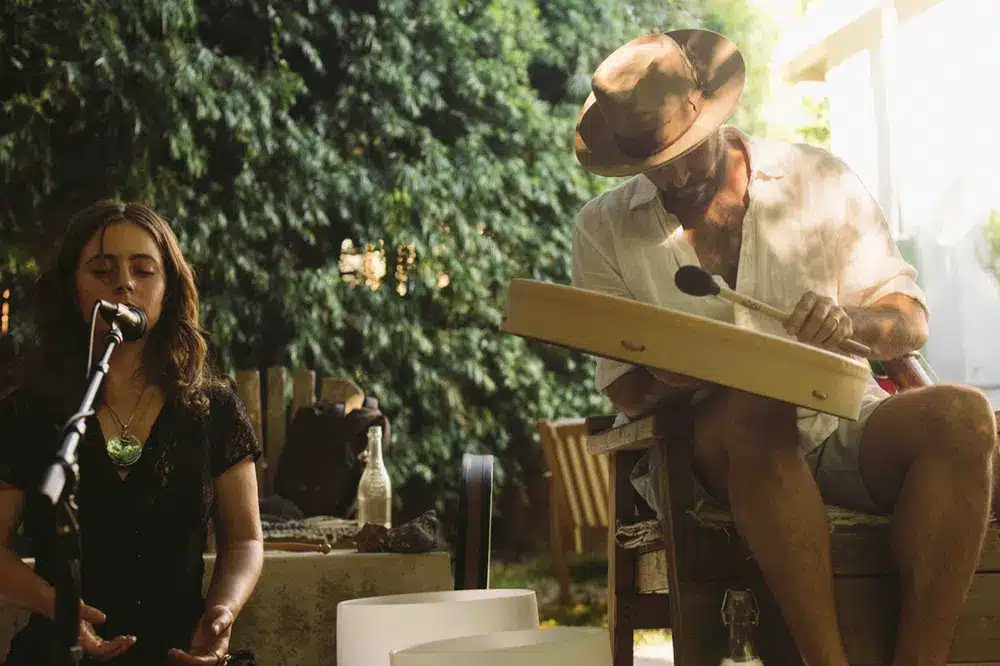
How reiki works →Singing bowls, gongs, and live music to support the nervous system through resonance.
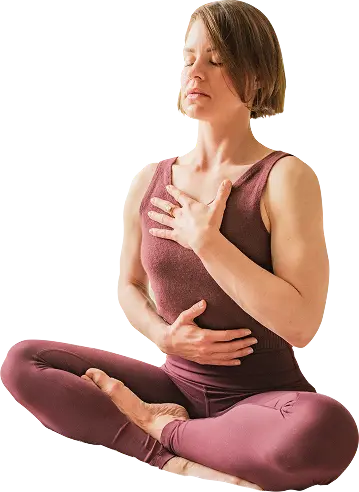
Sound healing →Conscious breathing for nervous-system regulation and emotional release, often layered into a session.
Breathwork →